The automotive industry in 2026 is navigating a complex web of economic challenges that are fundamentally reshaping how vehicles are manufactured, priced, and sold. For more insights on the evolving automotive landscape, check out our Car Trends section. As consumers look toward purchasing their next vehicle, understanding the underlying forces driving market changes is more critical than ever. The convergence of new trade policies, geopolitical tensions, and shifting consumer demands has created a perfect storm for automakers and buyers alike. Consequently, the landscape of car ownership is evolving rapidly, with significant implications for both traditional internal combustion engine vehicles and the growing electric vehicle sector.
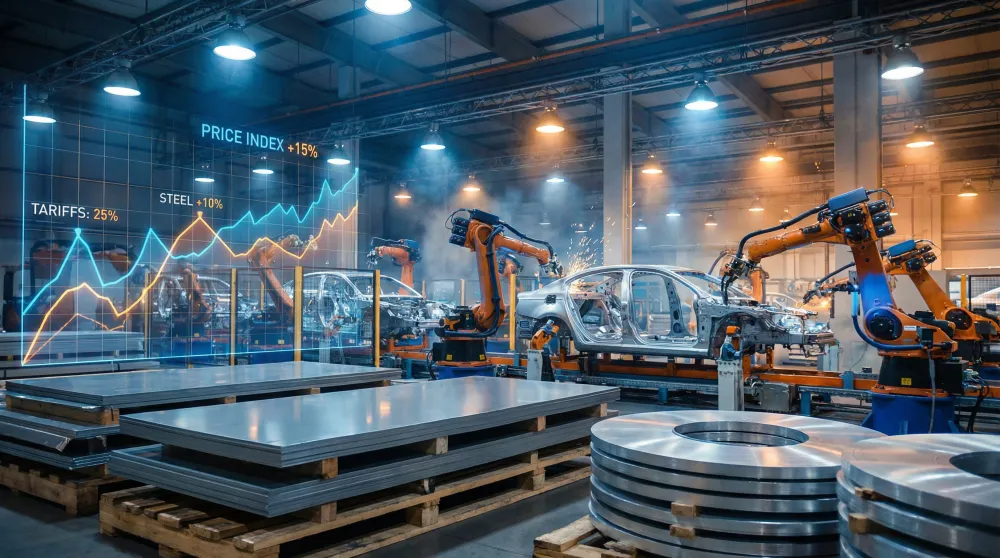
In recent months, the implementation of sweeping trade policies has sent shockwaves through the global automotive supply chain. The National Law Review highlights that these shifts are creating unprecedented volatility. The reinstatement of Section 232 tariffs on automobiles and auto parts has introduced substantial new costs for manufacturers. According to recent trade data, U.S. Customs and Border Protection has collected over $24 billion on automobile imports and more than $10 billion on auto parts since these levies were implemented in Spring 2025. Furthermore, the auto industry paid roughly $8.6 billion in now-invalidated IEEPA-based tariffs through October 2025. These staggering figures highlight the immense financial pressure placed on automakers, which inevitably trickles down to the consumer in the form of higher sticker prices.
The ripple effects of these tariffs are felt across the entire manufacturing ecosystem. Automakers rely on a highly integrated global supply chain, where a single vehicle may contain parts sourced from dozens of countries. When tariffs disrupt this delicate balance, production costs soar. For instance, the renewed tariffs on steel and aluminum have significantly increased the cost of raw materials essential for vehicle construction. According to the Brookings Institution, these tariffs are a major factor in the upcoming USMCA renegotiations. As a result, manufacturers are forced to either absorb these costs, which compresses profit margins, or pass them on to buyers, further exacerbating the affordability crisis in the automotive market.
Beyond trade policies, geopolitical conflicts are causing unprecedented disruptions to global shipping routes, further complicating the supply chain. The ongoing tensions in the Middle East, particularly around the Strait of Hormuz, have severely impacted maritime logistics. For a deeper dive into how global events affect driving, read our Automotive News updates. Reports indicate an 80% reduction in traffic through this critical chokepoint, with over 3,000 ships—representing 4% of global ship tonnage—estimated to be idle in Persian Gulf ports. Consequently, container shipping lines are introducing emergency surcharges, and the cost of air freight is also rising. These logistical nightmares delay the delivery of crucial components, leading to production bottlenecks and inventory shortages on dealership lots.

The impact of these shipping disruptions extends beyond delayed deliveries; it also threatens the availability of essential materials. For example, constraints on global supplies of aluminum have been reported due to strikes on critical infrastructure and rerouted shipping lanes. Aluminum is a vital component in modern vehicle manufacturing, particularly for electric vehicles that require lightweight materials to offset heavy battery packs. Therefore, any shortage or price increase in aluminum directly affects the production capabilities and pricing strategies of major automakers. The Cox Automotive Manheim Index shows that non-adjusted wholesale vehicle prices increased 3.3% in the first half of March from February, and are up 4.8% year over year, reflecting these upstream pressures.
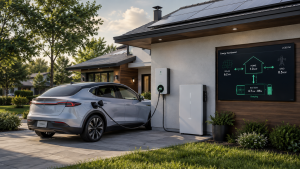
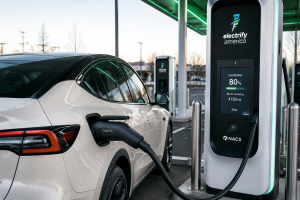
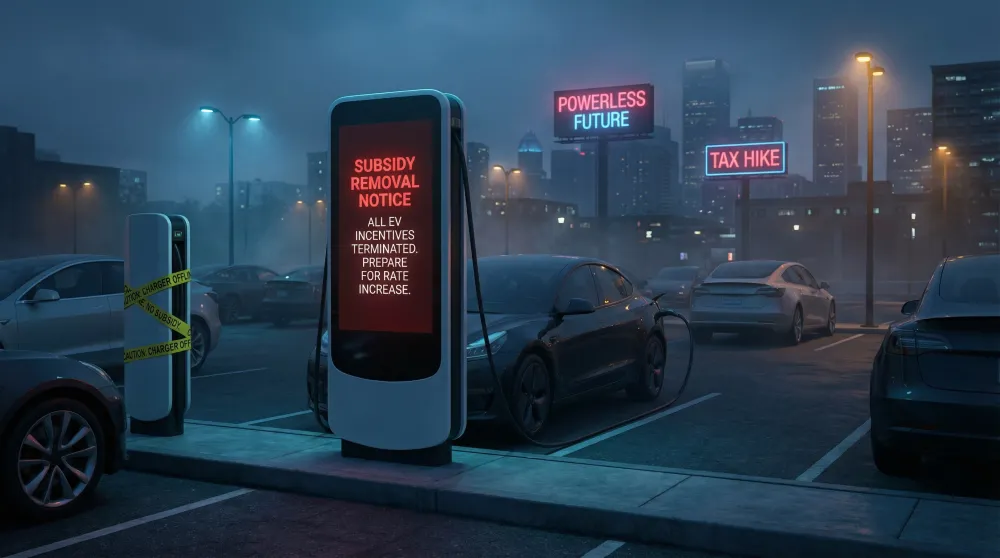
In the midst of these supply chain and tariff challenges, the electric vehicle (EV) market is experiencing its own set of unique hurdles. You can read more about the ongoing debate in our article on EV vs. Hybrid vs. ICE: Which Fuel Type Wins the 2025 Showdown?. The repeal of the EV consumer tax credit in July 2025 led to a sharp drop in EV sales and the shuttering of several EV supplier facilities. The U.S. Department of Energy continues to monitor these shifts in consumer incentives. This policy shift has forced automakers to reevaluate their electrification strategies. While the transition to sustainable transportation remains a long-term goal, the immediate financial realities are causing some manufacturers to slow their EV timelines. The market transition is proving more challenging than initially anticipated, as companies struggle to balance the high costs of EV development with waning consumer incentives.
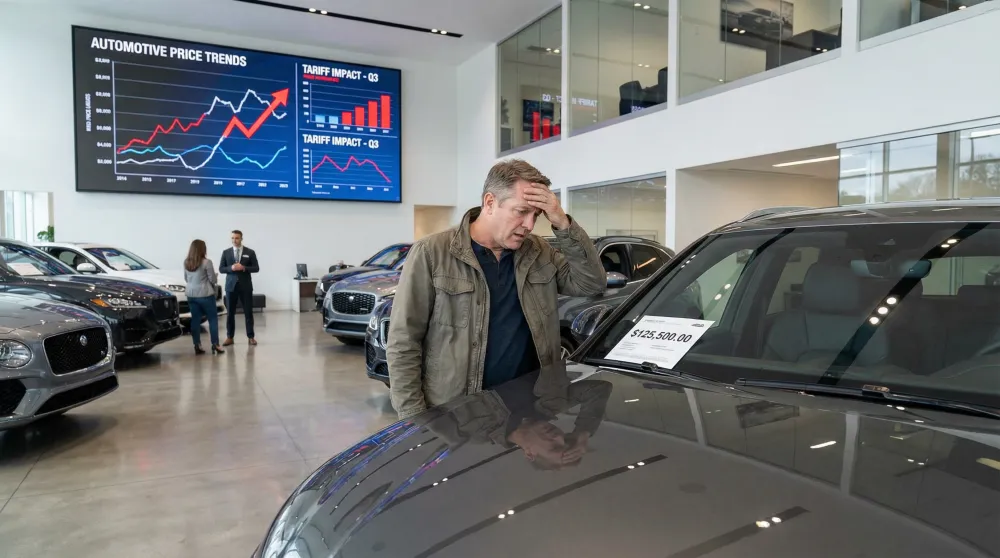
The combination of rising production costs, supply chain delays, and shifting EV policies has culminated in a severe affordability crisis for car buyers. As of early 2026, car prices continue to rise, driven by higher Manufacturer’s Suggested Retail Prices (MSRPs) and steady inventory levels that offer little room for negotiation. For detailed assessments of new models, visit our Car Reviews page. The financial strain on consumers is evident in recent market analyses. In the fourth quarter of 2025, 29% of new-vehicle buyers with trade-ins had negative equity, representing the highest share since the first quarter of 2021. Financial analysts at Edmunds have noted this concerning trend in consumer debt. Moreover, the average amount owed on underwater trade-ins reached a record high of $7,214. These statistics underscore the growing difficulty for average consumers to afford new vehicles in the current economic climate.
To navigate this challenging landscape, automakers are exploring various strategies to maintain profitability and market share. Some suppliers are diversifying into other industries to seek more profitable revenue streams amid the ongoing volatility in the auto sector. Others are investing heavily in advanced manufacturing technologies to improve efficiency and reduce labor costs. For instance, major automakers like BMW, Tesla, and Hyundai are developing and deploying humanoid robots in their manufacturing plants. These technological advancements aim to streamline production processes and mitigate the impact of supply chain disruptions and rising material costs.
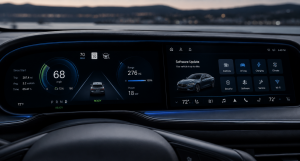
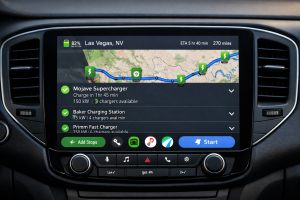
Despite the current headwinds, the automotive industry continues to push the boundaries of innovation, particularly in the realm of connected car technology. Modern vehicles are becoming increasingly sophisticated, offering features that enhance safety, convenience, and the overall driving experience. For example, collaborations between automotive technology companies and satellite communication providers are bringing in-vehicle satellite voice-calling capabilities to the market. To see what else is on the horizon, check out our review of the Most-Anticipated Cars of 2025. These advancements demonstrate that while the industry faces significant economic and logistical challenges, the drive toward a more connected and technologically advanced future remains strong.
For consumers looking to purchase a vehicle in 2026, staying informed about these market dynamics is crucial. Understanding the factors driving car prices can help buyers make more strategic decisions. Whether you are considering a traditional internal combustion engine vehicle, a hybrid, or an electric car, being aware of the broader economic context can empower you to navigate the market more effectively. As the industry continues to evolve, keeping a close eye on automotive news and trends will be essential for anyone looking to make a smart automotive investment. Stay informed with the latest Kelley Blue Book valuations and market reports.
In conclusion, the automotive landscape in 2026 is defined by a complex interplay of tariffs, supply chain disruptions, and shifting market dynamics. The financial burdens placed on manufacturers are significant, and the resulting impact on car prices is undeniable. However, the industry’s resilience and commitment to innovation offer a glimmer of hope for the future. By understanding these trends and their implications, consumers can better prepare for the realities of the current market and make informed decisions that align with their needs and budgets.