Electric vehicle (EV) drivers are facing a common challenge: range anxiety and route planning uncertainty. Now, Google Maps has launched a significant update for Android Auto that introduces advanced EV trip planning features, helping drivers navigate long distances with confidence. This article breaks down what’s new, why it matters, and how it fits into the future of connected vehicles in 2026.
What’s New in Android Auto for EV Drivers
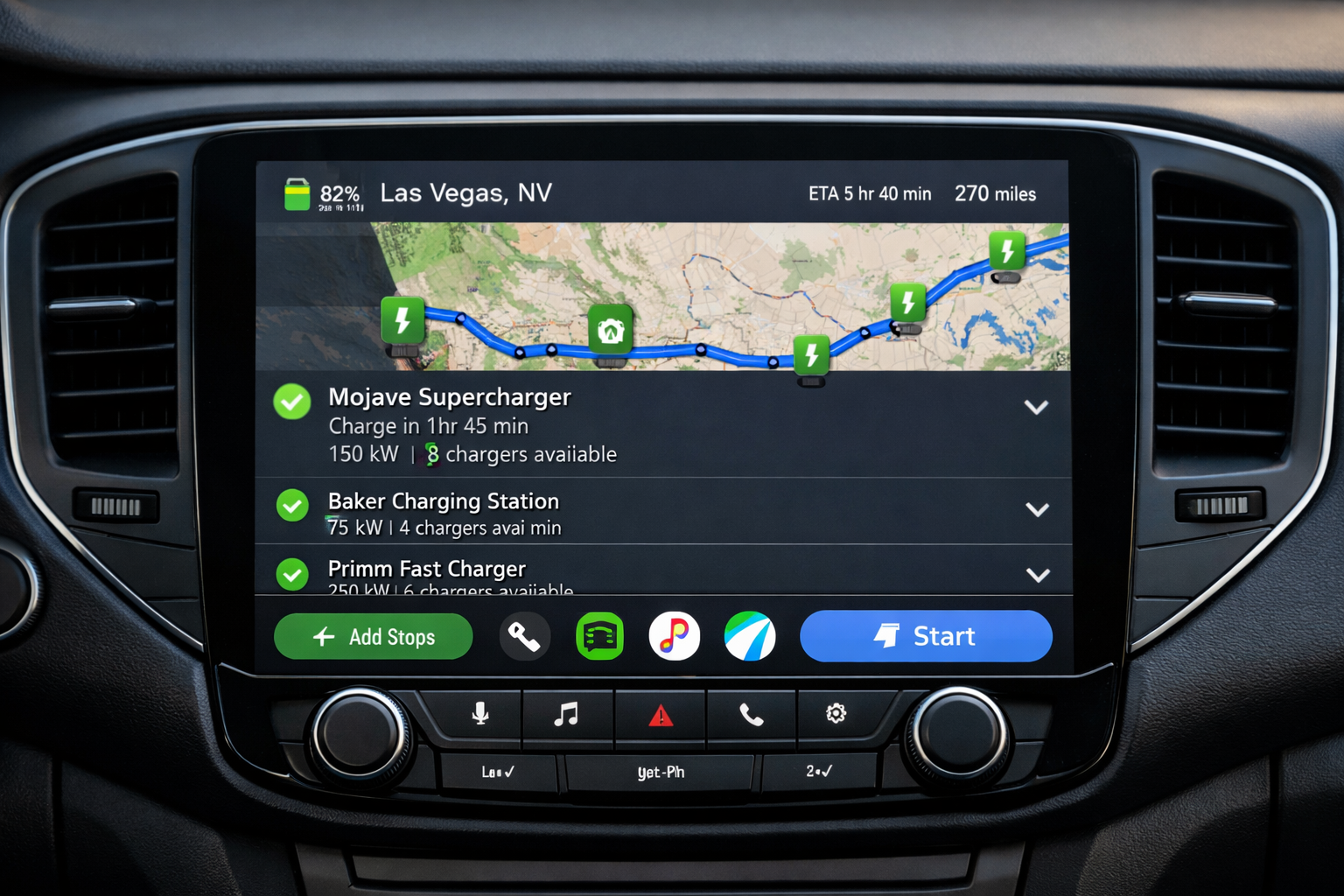
Google has enhanced Google Maps EV trip planning within Android Auto, enabling personalized routing for more than 350 EV models worldwide. This update isn’t just about navigation – it’s about optimizing energy use, providing accurate arrival battery levels, and recommending chargers that fit your vehicle’s specific requirements. :contentReference[oaicite:0]{index=0}
Instead of guessing whether you’ll have enough charge, Google Maps now calculates:
- Expected battery remaining at arrival and departure.
- Route adjustments based on predicted traffic and weather conditions.
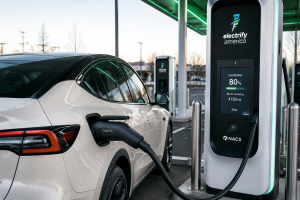
- Charger availability, speed, and pricing along your route.
These capabilities help EV owners reduce the stress of long trips and focus on the journey. And for millions of drivers using Android Auto daily, this update positions the platform as a key player in the EV ecosystem.
How Google Maps’ Updates Reduce Range Anxiety
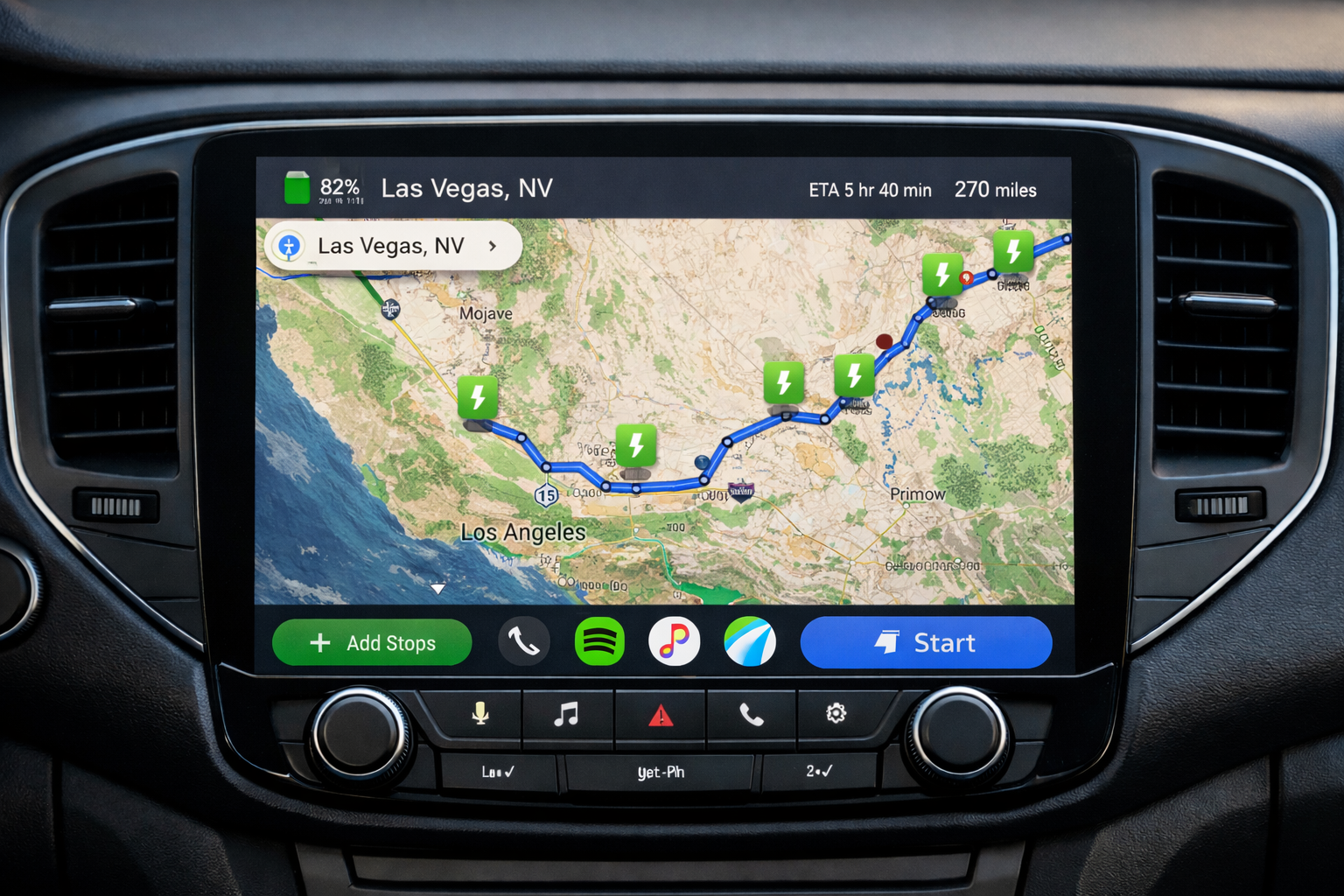
Range anxiety has long been a barrier to widespread EV adoption. Whether electric or hybrid, drivers have sometimes hesitated to take longer routes due to uncertainty about charging infrastructure and battery predictions. This update directly addresses that concern by providing granular data that adjusts in real time:
- Charger compatibility details for each station based on your EV model.
- Predictive energy use that accounts for terrain, weather, and driving style.
- Alternative routes that balance speed versus energy efficiency.
These improvements elevate Google Maps from a simple navigation tool to a comprehensive EV trip planner. In practice, this can help drivers save time, avoid unexpected stops, and choose the best charging strategy for their journey.
Android Auto Is Becoming the “Brain” of Your EV
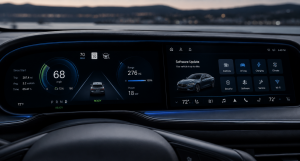
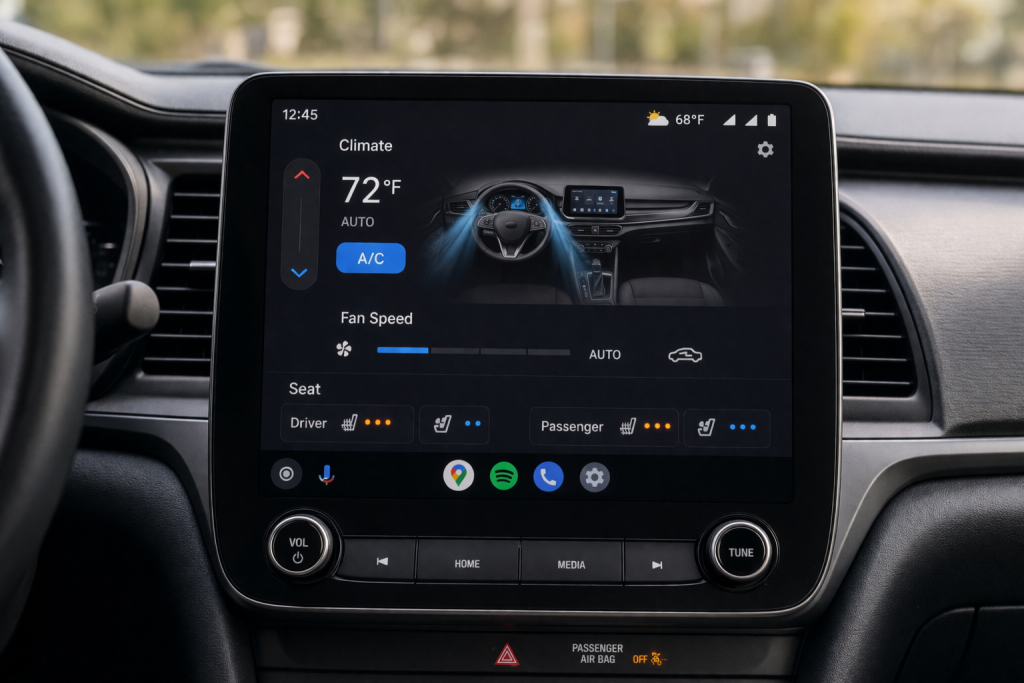
Google isn’t stopping with trip planning. Recent developments show Android Auto evolving into a deeper software platform that goes beyond infotainment. A recent update is expanding Android Auto’s role to control non‑safety systems like climate control and seat adjustments as part of the next generation of software‑defined vehicles.
With cars increasingly becoming “computers on wheels,” Android Auto is positioning itself as a central operating system — not just a screen interface. This means faster feature updates, unified software experiences across brands, and smarter vehicle interactions.
Why Connected Cars and Smart Trip Planning Matter for EV Adoption
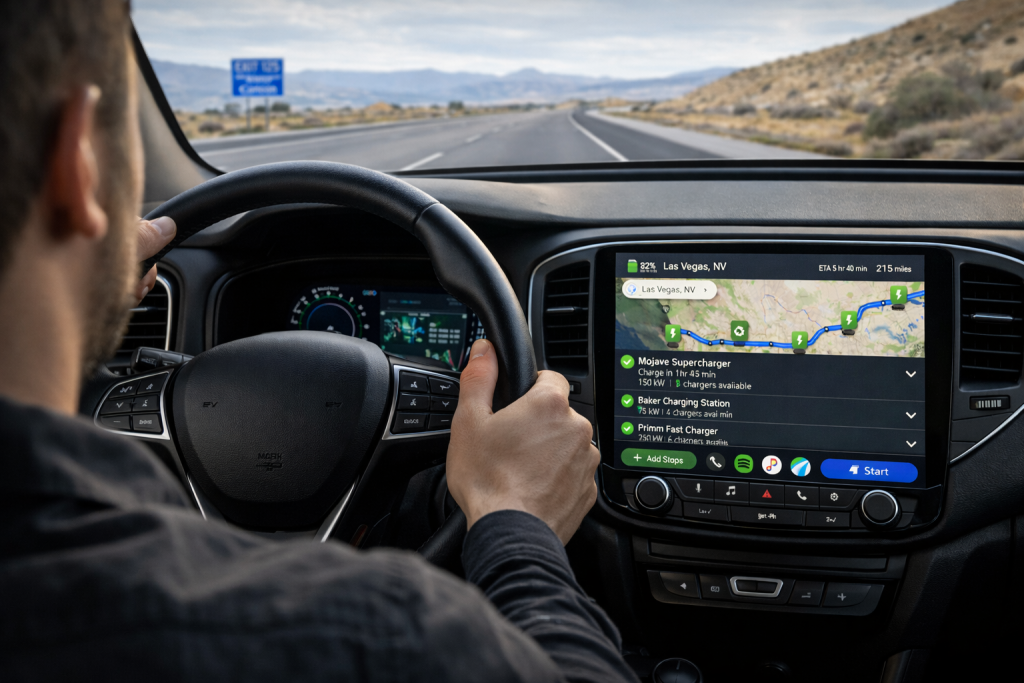
The future of driving is not just about electric powertrains — it’s about connectivity, smart routing, and seamless integration between software and hardware. Technologies like connected cars are redefining how vehicles communicate with drivers and the broader transportation ecosystem.
EV trip planning with Android Auto contributes to this ecosystem by:
- Helping drivers make real‑time decisions during long trips.
- Reducing uncertainty around charging infrastructure and support.
- Leveraging cloud‑connected data to predict and optimize routes.
As more vehicles become connected — sharing data with cloud services, navigation networks, and even infrastructure sensors — drivers benefit from smarter, safer, and more efficient journeys.
Real‑World Impact: From Tech to Everyday Driving
Imagine planning a cross‑country trip in your EV. Without advanced tools, you’d manually check charging stations, estimate range based on terrain, and hope for compatible chargers along the way. Now, with Android Auto’s updated Google Maps:
- Your EV’s model is recognized and factored into every calculation.
- Charger stops are suggested with confidence levels — including pricing and speed.
- Routes adjust dynamically based on real‑time traffic and battery estimates.
For everyday commuters, these tools help optimize charging needs for work commutes, weekend getaways, and errands. For long‑distance travelers, this brings EV planning closer to the ease of traditional gasoline vehicles.
Security and Privacy Considerations
While connected technologies offer huge benefits, they also raise questions about data privacy and security. Modern vehicles collect massive amounts of data — including location, driving behavior, and connectivity usage. Policies around how this data is used and shared are evolving, and in some markets, regulatory action is shaping driver expectations. For an in‑depth look at automotive privacy concerns, explore this overview of automotive privacy issues.
As Android Auto and similar platforms collect data to optimize routes and features, transparency and user control over this data become essential components of trust and long‑term adoption.
How This Fits With Other EV Trends
If you’re following broader EV topics on C‑A‑R Blog, you know that EVs continue to grow in complexity and consumer interest. From powertrain evolution to software‑defined driving experiences, the automotive landscape is rapidly shifting. Integrating advanced navigation and planning tools into vehicles is part of the next phase in that evolution.
Whether you’re an EV enthusiast or a driver considering your first electric vehicle, understanding how Android Auto enhances your EV experience gives you an edge — both on daily drives and long trips.
Conclusion: Smarter EV Trips Are Here
Google Maps’ EV trip planning update for Android Auto ushers in a more confident electric driving experience by offering personalized routing, charger analysis, and predictive battery use. As vehicles become smarter and more connected, platforms like Android Auto will play a pivotal role in bridging the gap between hardware capability and driver needs.
Stay tuned to C‑A‑R Blog for future updates on EV tech, connected vehicles, and automotive innovation.