The electric vehicle industry is entering a major transition in 2026 with the rapid adoption of the NACS (North American Charging Standard). Originally developed by Tesla, this charging system is now being adopted by most major automakers and charging networks, creating a unified plug standard across North America.
This shift is one of the most important developments in EV infrastructure because it directly impacts charging convenience, compatibility, and long-distance travel for millions of drivers.
What Is the NACS Charging Standard?
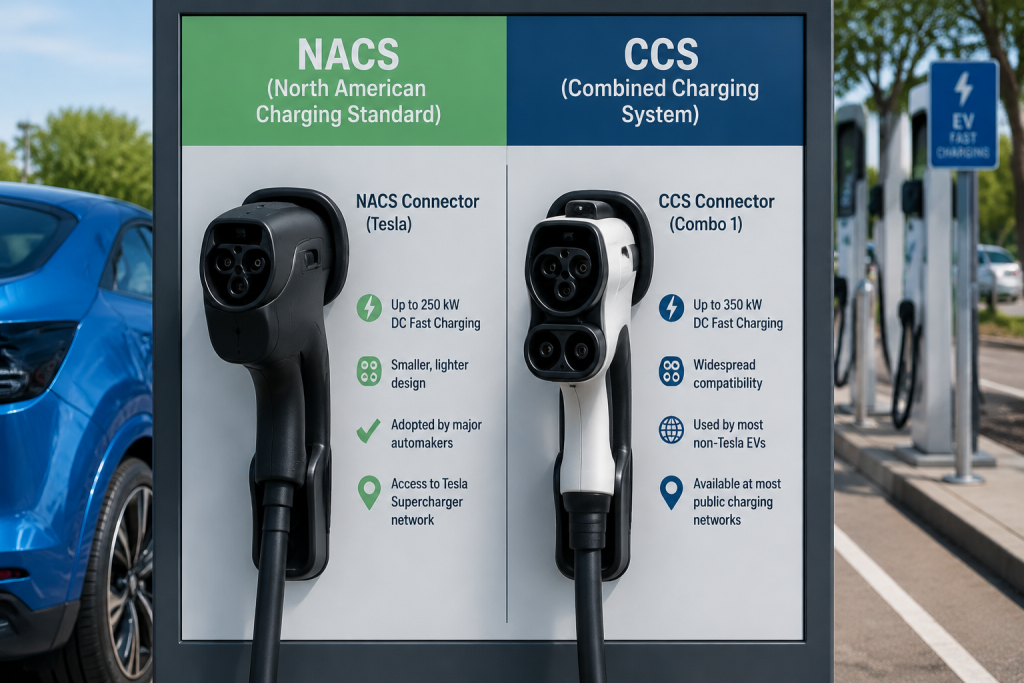
NACS stands for North American Charging Standard, a charging connector system created by Tesla and now widely adopted across the automotive industry. Unlike older systems that required multiple plug types, adapters, and compatibility checks, NACS aims to simplify everything into one universal connector.
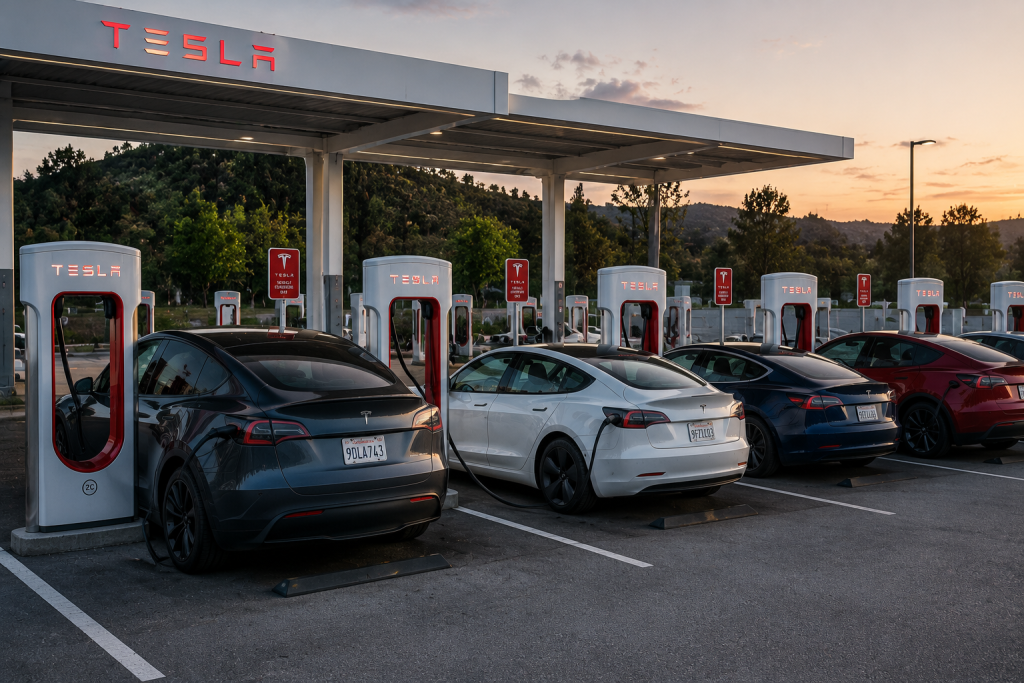
You can review Tesla’s official charging ecosystem here: Tesla Supercharger Network.
According to the SAE International J3400 standard, NACS has now been formally standardized, allowing other manufacturers to integrate it directly into new EV models.
Why Automakers Are Switching to NACS
Major automakers such as Ford, GM, Hyundai, and others have announced plans to adopt NACS across their future EV lineups. The main reason is simple: charging convenience.
Drivers previously had to navigate multiple charging standards, including CCS1 and CHAdeMO, which often caused confusion and limited access to fast charging stations. With NACS, that fragmentation is disappearing.
Key benefits include:
- One universal plug for most EV brands
- Faster charging speeds at compatible stations
- Access to Tesla Supercharger network
- Reduced need for adapters and compatibility tools
For broader EV infrastructure context, see the U.S. Department of Energy’s guide: DOE EV Charging Infrastructure.
Impact on EV Drivers in 2026
For everyday drivers, the biggest advantage of NACS adoption is simplicity. Instead of worrying about whether a charging station supports your vehicle, most new stations will be standardized.
This also reduces “range anxiety,” especially on long road trips where charging compatibility used to be uncertain.
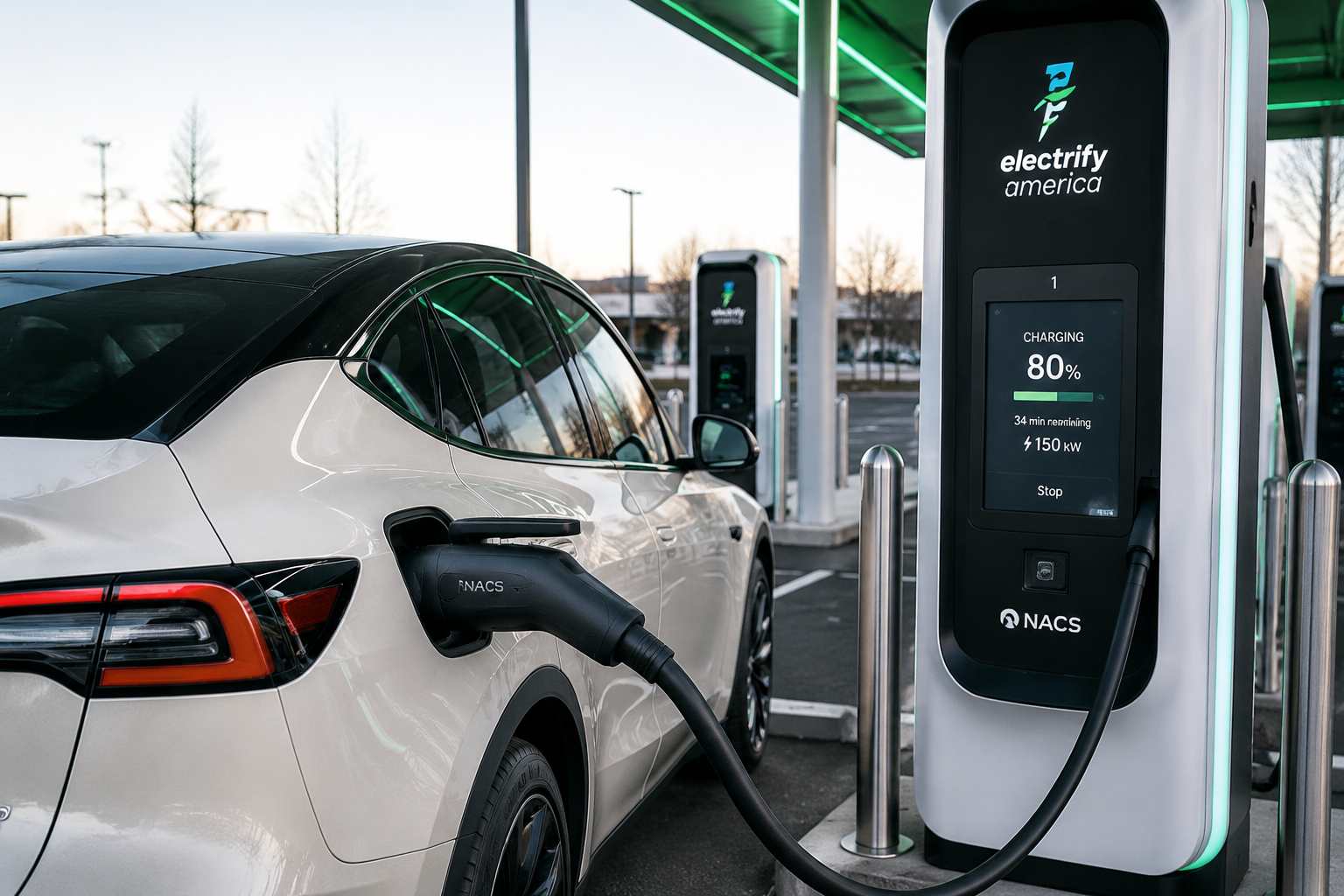
Networks like Electrify America are already preparing to integrate NACS connectors into their charging stations, making cross-network compatibility much smoother.
Drivers can expect:
- More reliable fast charging access nationwide
- Shorter wait times due to improved network efficiency
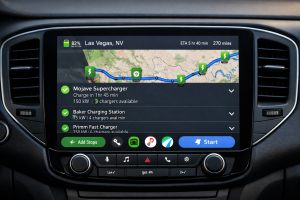
- Better route planning using unified charging data
If you want to understand how EV navigation is evolving, you can also read: EV vs Hybrid vs ICE Comparison Guide.
How Charging Networks Are Adapting
Charging providers are now upgrading infrastructure to support both CCS and NACS during the transition period. However, over the next few years, NACS is expected to become dominant across North America.
This shift is being guided in part by federal initiatives and transportation standards. You can track regulatory updates through the National Highway Traffic Safety Administration.
As adoption grows, legacy connectors like CCS may gradually phase out or remain only through adapters.
Challenges During the Transition
Although NACS offers many advantages, the transition period is not without challenges. EV owners with older vehicles may still rely on CCS or CHAdeMO, requiring adapters to access newer charging stations.
Additionally, charging infrastructure must be updated nationwide, which requires significant investment and coordination between private companies and government agencies.
Some concerns include:
- Compatibility issues during transition years
- Cost of upgrading charging stations
- Uneven rollout across rural and urban areas
Despite these challenges, the long-term benefits of a unified charging standard are widely considered worth the transition effort.
Global Influence of NACS Standardization
While NACS is currently focused on North America, its influence is beginning to extend globally. Other regions are observing how standardization impacts EV adoption rates and infrastructure efficiency.
For global charging standards and comparisons, see: EV Charging Standards Overview.
Industry experts believe that unified charging systems are critical to accelerating EV adoption worldwide. Fragmentation has long been a barrier to mass-market EV use, and NACS may serve as a model for future global standards.
What This Means for the Future of EV Ownership
The rise of NACS represents more than just a new plug type—it signals a shift toward a more unified and user-friendly EV ecosystem. As charging becomes simpler and more accessible, EV ownership will continue to grow across all price segments.
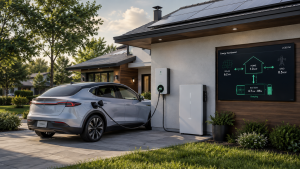
This development also supports other innovations such as smart grid integration, vehicle-to-grid energy systems, and autonomous charging solutions. Together, these technologies are shaping the next generation of transportation.
Conclusion
The expansion of the NACS charging standard in 2026 is a major milestone in the evolution of electric vehicles. By simplifying charging infrastructure and improving compatibility, it removes one of the biggest barriers to EV adoption.
As automakers, governments, and charging networks align on a single standard, drivers can expect a more seamless, reliable, and stress-free charging experience in the years ahead.
Stay tuned to C-A-R Blog for more updates on EV infrastructure, charging innovations, and future mobility trends.