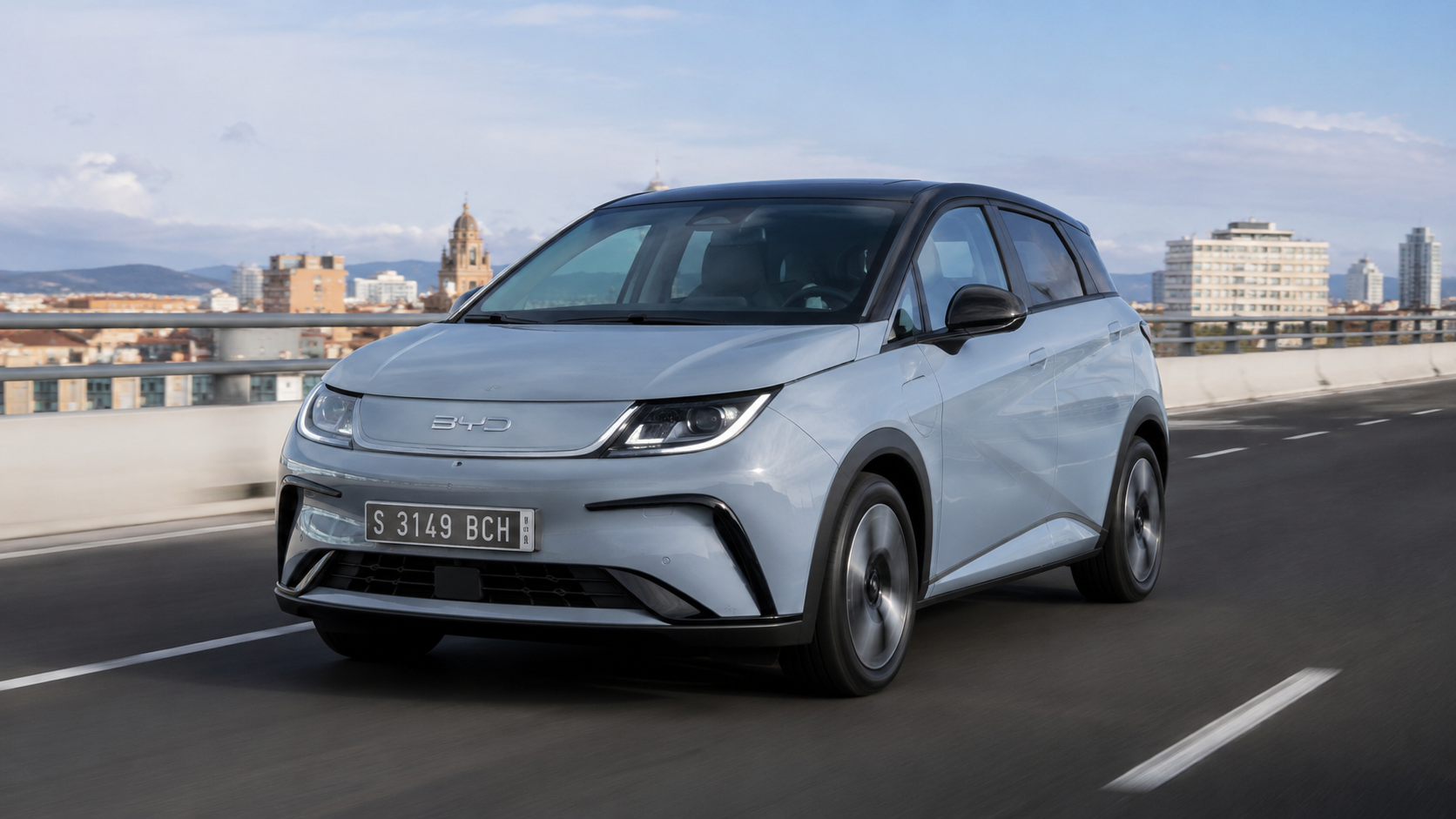
Electric vehicles (EVs) are no longer exclusive to premium buyers. In 2026, a new wave of affordable EVs priced under $30,000 is transforming the automotive market and opening the door for millions of drivers to switch to electric. This shift is supported by cheaper battery technology, expanding charging networks, and strong demand from consumers seeking sustainable and cost‑efficient vehicles.
How EV Prices Are Falling Fast
Until recently, EVs were largely priced above $35,000 due to high battery costs and limited economies of scale. However, in 2026, new manufacturing techniques and cheaper battery chemistries, including lithium iron phosphate (LFP), have brought down production costs significantly. These cheaper batteries do not use expensive metals like cobalt and nickel, making them more affordable and safer, which is a key factor behind lower‑priced electric vehicles.
Major automakers such as Kia and Volkswagen are introducing EVs with competitive pricing that rivals traditional gasoline cars. For example, the upcoming VW ID.2all is designed to deliver around 250 miles of range while remaining budget‑friendly — a milestone many analysts are calling the first true mass‑market EV.
What Affordable EVs Mean for Drivers
Lower pricing does more than reduce the sticker shock. It also impacts ownership costs and accessibility. Drivers considering a new vehicle no longer need to pay a premium for sustainability. Instead, EVs priced near or below $30,000 allow more budget‑conscious buyers to enjoy:
- Lower fuel costs compared to gasoline vehicles
- Reduced maintenance needs thanks to fewer moving parts
- Access to tax incentives and rebates in many regions
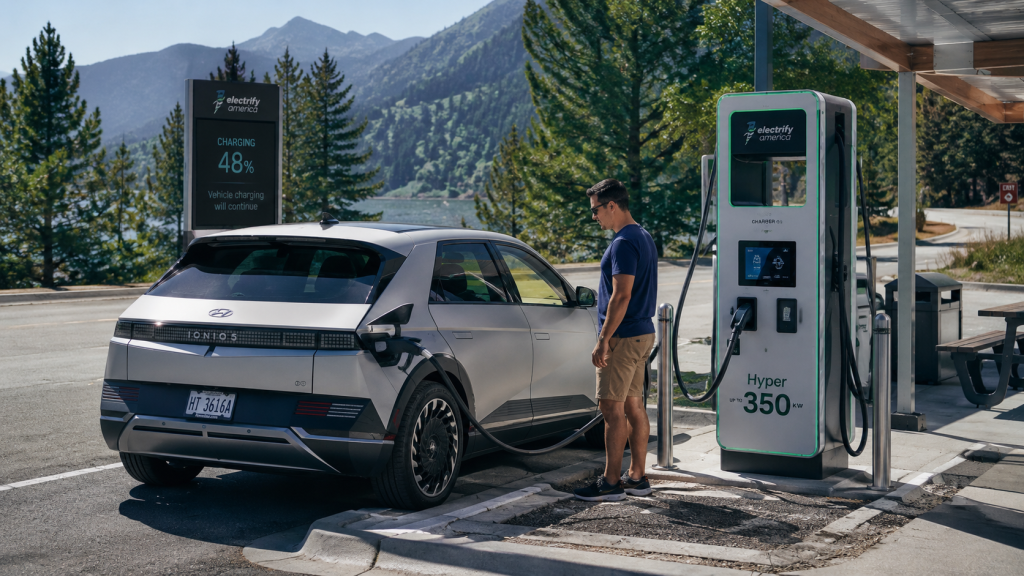
- More charging options with expanding networks
Many drivers also find that the cost of ownership over five years can beat comparable internal combustion engine (ICE) models — especially when paired with federal or state EV incentives. Check your local incentives on the U.S. DOE Alternative Fuels Data Center, which tracks rebates and tax credits available across states.
Range and Charging: What You Can Expect
A common concern with entry‑level EVs is range. The good news is that affordable models in 2026 are topping 200–250 miles per charge — enough for most daily commutes and weekend trips. While premium EVs may still offer higher ranges, these new models strike a balance between cost and practicality.
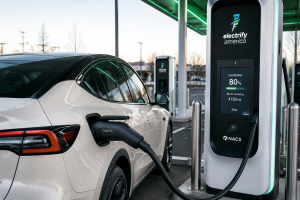
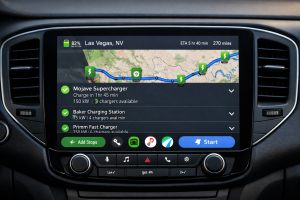
Public charging infrastructure has also scaled rapidly. Networks such as Tesla Superchargers and EVBusiness allow drivers to plan reliable long‑distance travel if they pair their vehicle with high‑speed chargers. Range anxiety is fading as cities and highways get more charging points every year.
Comparing Affordable EVs With Hybrids and ICE
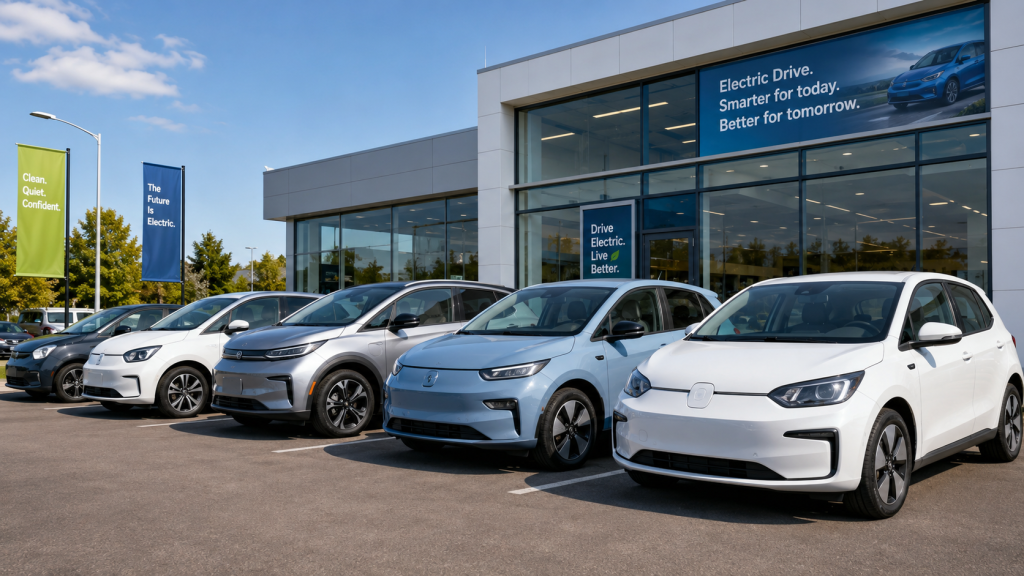
Your complete breakdown of EVs, hybrids, and ICE shows why EVs are gaining ground. While hybrids remain attractive for drivers worried about charging infrastructure, a sub‑$30,000 EV can provide full electric driving with lower fuel costs and similar convenience when properly planned.
Compared to traditional ICE vehicles, affordable EVs offer instant torque, quieter operation, and stronger environmental performance — without a dramatic price premium. For city drivers making many short trips, EVs save hundreds to thousands of dollars annually on fuel and maintenance.
Who’s Leading the Affordable EV Movement?
Several manufacturers are pushing boundaries in this space. While exact pricing and availability can vary, models expected to dominate the affordable EV segment include:
- Kia EV2 – Compact design, ~250‑mile range
- Volkswagen ID.2all – Mainstream hatchback with accessible pricing
- BYD Dolphin – Popular in international markets
- Chevrolet Bolt EV Refresh – Updated interior and efficiency gains
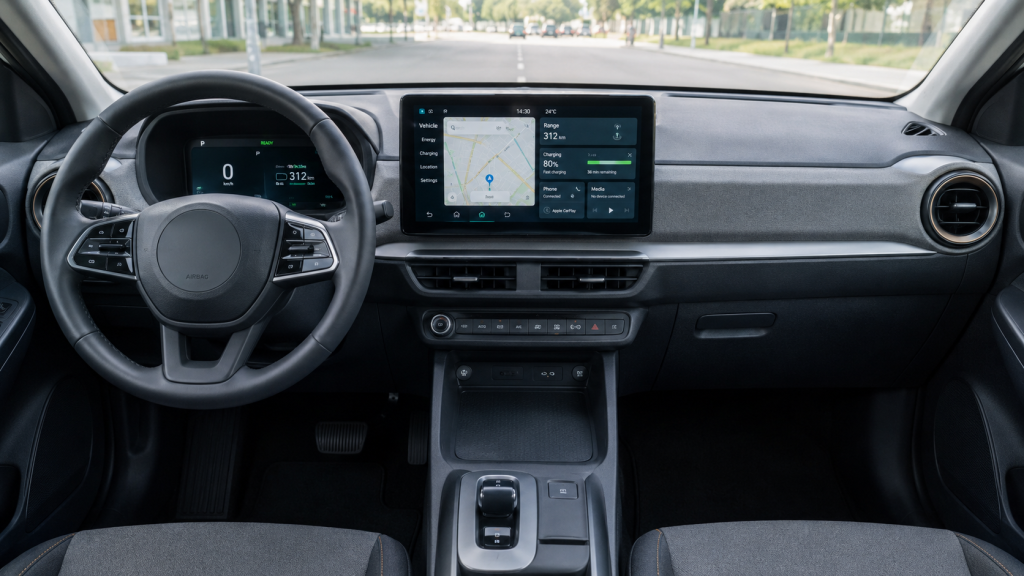
The growing competition is good news for consumers, as it forces brands to offer better specs and more desirable options for the money. Many models also feature advanced safety tech and connected features that weren’t seen in budget vehicles just a few years ago.
Financing and Incentives for Budget EV Buyers
In the U.S., federal tax credits up to $7,500 can significantly reduce the out‑of‑pocket cost of qualifying EVs. Some states offer additional rebates or incentives — for example, California and New York provide extra relief for low‑income buyers and fleet purchases. These incentives make affordable EVs even more accessible.
Before buying, use tools like the IRS Electric Vehicle Credit and your state’s DMV site to confirm eligibility. Many dealerships also offer specialized EV financing plans and lease deals tailored to budget EV models.
Consumer Reports and Reliability
Early data from consumer analysts shows that budget EVs are competitive in reliability compared to pricier electric models. With fewer mechanical parts and simpler drivetrain structures, maintenance schedules tend to be easier and cheaper than traditional cars. Long‑term reliability metrics are improving as brands build experience with EV platforms.
However, consumers should always check independent reviews — from sources like Consumer Reports — before making a purchase, especially for used or near‑used models. Quality varies by manufacturer and region.
The Road Ahead: EVs for Everyone
2026 is a pivotal year for electric vehicles. The emergence of affordable EVs under $30,000 is not just a trend — it’s a market shift that brings electric driving to the mainstream. For budget buyers and city commuters, this means more choices, lower ownership costs, and a greener driving future.
Affordable EVs are changing what people expect from modern cars, and as infrastructure, incentives, and technology continue to improve, this revolution will only accelerate.
Conclusion
If you’re considering a new car this year, don’t overlook the growing list of affordable EVs. With competitive range, practical pricing, and real cost savings over time, these models are reshaping the automotive landscape. Stay tuned to C‑A‑R Blog for more detailed reviews, buying guides, and the latest in automotive innovation.