Software-defined vehicles (SDVs) are transforming the automotive industry in 2026. Instead of relying mainly on hardware, modern cars now use software to control features, updates, and driving behavior. This shift is changing how vehicles are built, upgraded, and experienced by drivers.
What Is a Software-Defined Vehicle?
A software-defined vehicle is a car where most features are controlled by software rather than physical components. This means updates, improvements, and even new features can be added over time without replacing hardware.
Companies like Tesla, BMW, and Mercedes-Benz are leading this shift. These brands are designing vehicles that behave more like smartphones, receiving updates and improvements long after purchase.
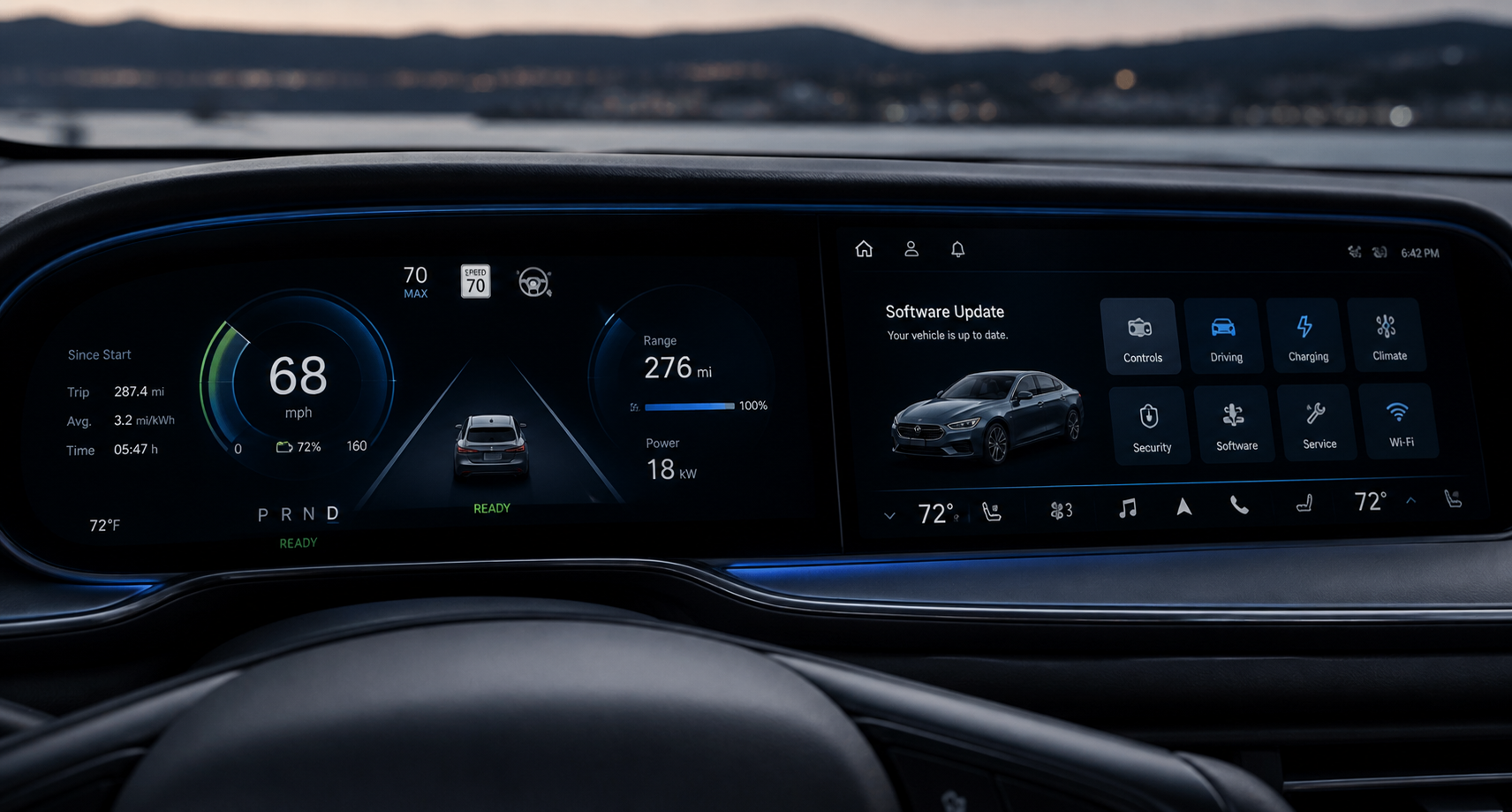
Unlike traditional cars, SDVs rely on centralized computing systems. These systems manage everything from navigation to driver assistance and even climate control.
How Software Is Changing the Driving Experience
Software is no longer limited to infotainment. It now controls critical systems inside the car. Drivers can experience:
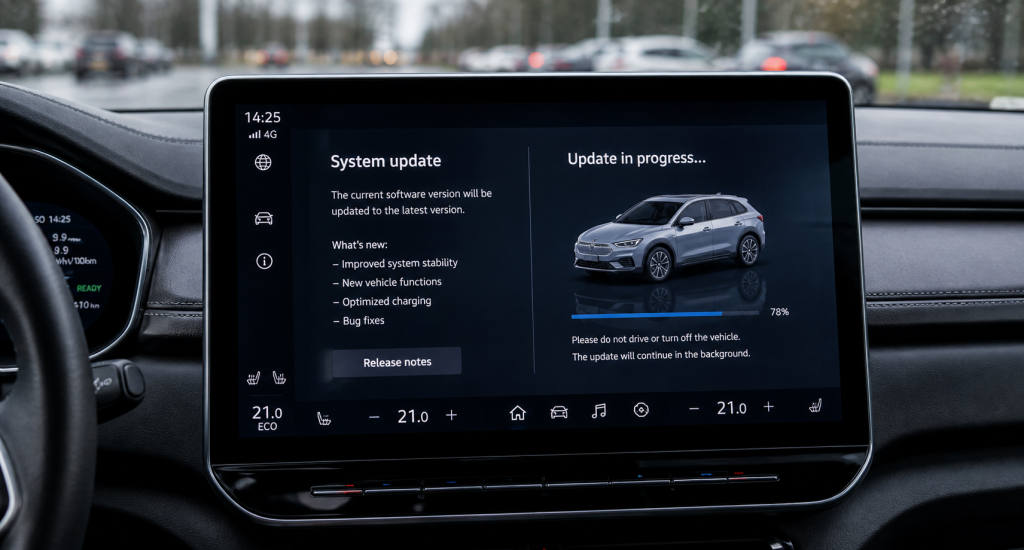
- Over-the-air updates that add new features
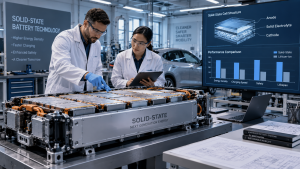
- Improved battery performance in EVs
- Enhanced driver assistance systems
- Personalized driving settings
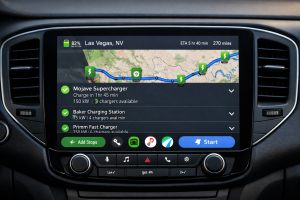
For example, Android Auto and similar platforms are expanding beyond navigation. They now integrate deeper into vehicle systems, making the driving experience more connected and intuitive.
Over-the-Air Updates: The Game Changer
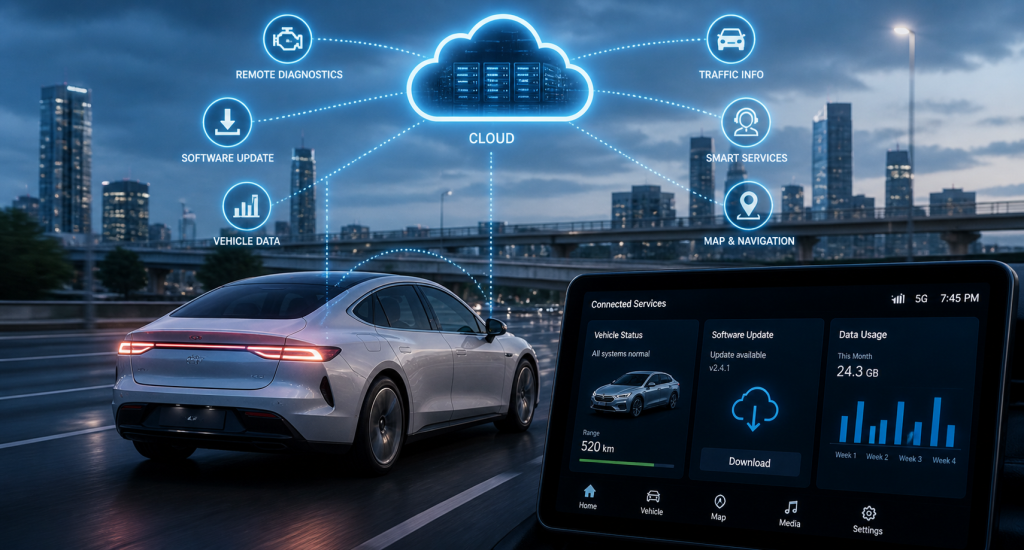
One of the biggest advantages of software-defined vehicles is over-the-air (OTA) updates. These updates allow manufacturers to improve vehicles without requiring a visit to a dealership.
According to McKinsey, OTA updates can reduce maintenance costs and improve customer satisfaction. Instead of waiting for a new model year, drivers can receive updates instantly.
Examples of OTA improvements include:
- Battery efficiency upgrades
- New infotainment features
- Improved safety systems
- Bug fixes and performance enhancements
This approach keeps vehicles relevant for longer periods and reduces the need for hardware replacements.
Why Automakers Are Moving Toward SDVs
Automakers are shifting to software-defined vehicles because software offers flexibility and long-term value. Instead of designing fixed systems, companies can continuously improve their cars.
According to Boston Consulting Group, SDVs may generate significant revenue through software services and subscriptions.
This shift benefits both manufacturers and drivers. Automakers can innovate faster, while drivers enjoy a vehicle that evolves over time.
The Role of Connected Car Technology
Software-defined vehicles rely heavily on connectivity. These cars communicate with cloud systems, navigation services, and even other vehicles.
Learn more about this concept in our related post:
EV vs Hybrid vs ICE Comparison.
Connected cars can:
- Provide real-time traffic updates
- Optimize routes based on conditions
- Monitor vehicle health remotely
- Enhance safety through predictive alerts
According to IBM, connected vehicle systems are becoming essential in modern transportation.
Challenges of Software-Defined Vehicles
Despite their advantages, SDVs also come with challenges. As vehicles rely more on software, concerns about cybersecurity and data privacy are increasing.
Organizations like NHTSA are working on guidelines to improve vehicle software safety. Meanwhile, automakers are investing heavily in secure systems to protect users.
Some key concerns include:
- Data privacy and tracking
- Cybersecurity risks
- Software reliability
- Subscription-based features
Balancing innovation with security is one of the biggest challenges in this space.
What This Means for the Future of Cars
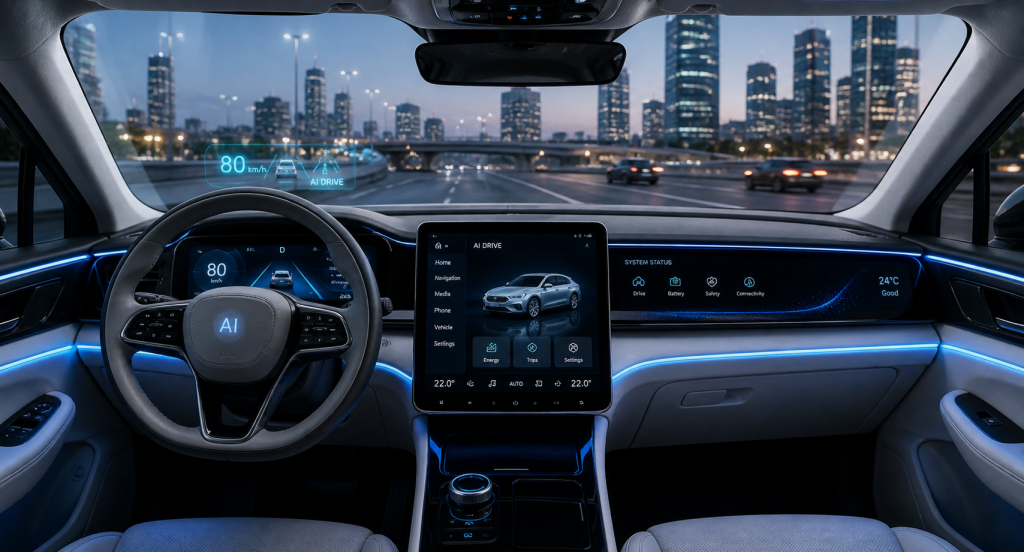
The rise of software-defined vehicles signals a major shift in how cars are designed and used. Vehicles are no longer static machines. They are dynamic platforms that improve over time.
This trend also connects with other innovations like autonomous driving, electric vehicles, and AI-powered systems. As these technologies evolve together, the driving experience continues to become smarter and more efficient.
If you are interested in emerging automotive trends, you can also explore insights from Forbes Tech Council, which regularly covers advancements in mobility and automotive innovation.
Conclusion
Software-defined vehicles are redefining what it means to own a car. With continuous updates, smarter systems, and connected features, vehicles are becoming more adaptable than ever before.
As automakers continue to invest in software and connectivity, drivers can expect vehicles that improve over time and offer a more personalized experience.
Stay updated with the latest automotive trends here on C-A-R Blog as the future of driving continues to evolve.