Electric vehicles are changing more than the way people drive. With vehicle-to-grid technology, EV batteries may soon become a valuable energy resource that can store electricity, power homes, and support the electric grid during periods of high demand.
As more electric vehicles enter the market, automakers and energy companies are exploring ways to use parked EVs as connected energy storage systems. This development represents the next stage of EV innovation beyond performance, range, and charging speed.
What Is Vehicle-to-Grid Technology?
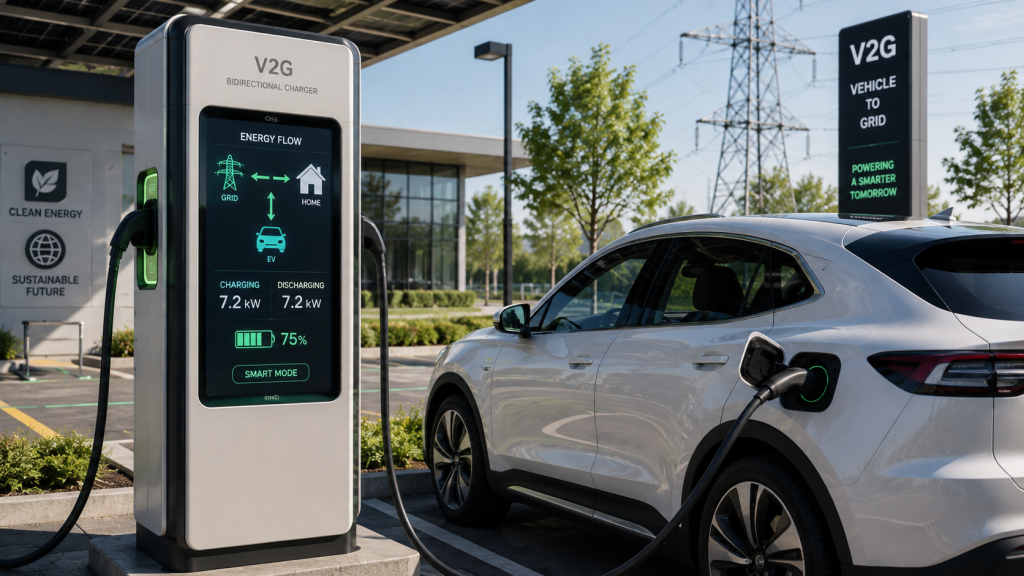
Vehicle-to-grid (V2G) technology allows electric vehicles to send electricity from their batteries back into the power grid. Instead of only receiving energy from a charger, compatible EVs can provide stored electricity when needed.
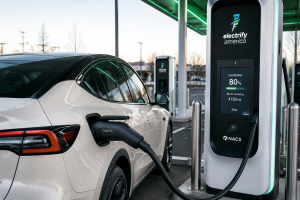
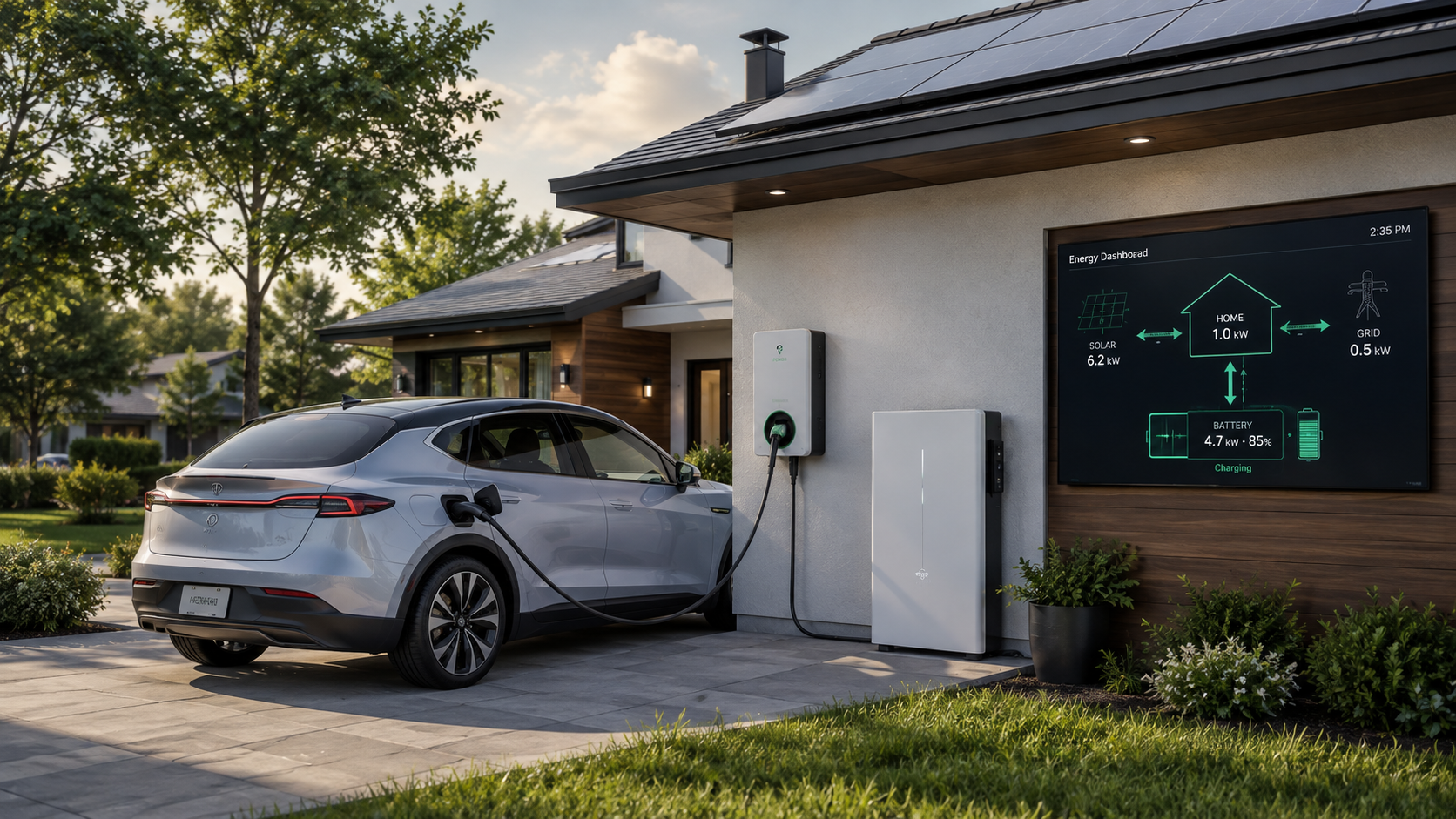
A traditional EV charging system works in one direction. Electricity flows from the grid into the vehicle battery. V2G creates a two-way connection where energy can move between the vehicle, home, and utility network.
According to the U.S. Department of Energy, bidirectional charging technologies could support cleaner and more flexible energy systems as renewable energy adoption grows.
How Vehicle-to-Grid Systems Work
V2G systems rely on several connected technologies working together. These include a compatible electric vehicle, a bidirectional charger, smart software, and communication with energy providers.
When electricity demand is low, an EV can charge its battery. During peak demand periods, the system may send stored energy back to the grid or a home.
For example, a driver may charge an EV overnight when electricity demand is lower. During the afternoon when energy usage increases, the vehicle battery could provide additional power.
- EV battery stores electricity
- Smart charger manages energy flow
- Software monitors power demand
- Grid receives additional energy when needed
Benefits of Vehicle-to-Grid Technology
Vehicle-to-grid technology offers several potential benefits for drivers and energy providers. As electric vehicles become more common, their combined battery capacity could become an important part of future energy management.
Supporting Renewable Energy
Solar and wind energy production can change throughout the day. EV batteries may help store excess renewable energy and provide electricity when renewable production decreases.
This could improve the reliability of renewable energy systems and reduce dependence on traditional power sources during peak periods.
Reducing Energy Costs
Some V2G programs allow EV owners to participate in energy-sharing programs. Drivers may have opportunities to use electricity when rates are lower and provide stored energy during high-demand periods.
Emergency Home Backup Power
Some electric vehicles already support vehicle-to-home (V2H) technology, allowing the battery to provide backup electricity during outages.
This feature could make EV ownership more valuable for homeowners who want additional energy security.
Which Automakers Are Exploring V2G?
Several automakers are investing in bidirectional charging technology. Companies are developing EV platforms that support energy sharing between vehicles, homes, and electrical networks.
Ford introduced vehicle-to-home capabilities with the F-150 Lightning, which can provide backup power for homes when paired with the proper equipment.
Other manufacturers including General Motors, Hyundai, Kia, and Nissan are also researching or developing bidirectional charging solutions.
As EV technology continues improving, features like V2G may become as common as modern connectivity systems found in today’s vehicles.
Challenges Facing Vehicle-to-Grid Adoption
Although V2G technology has significant potential, several challenges must be addressed before widespread adoption becomes possible.
Charging Infrastructure
Not every EV or charger currently supports bidirectional energy transfer. More charging equipment must be developed and installed before V2G becomes widely available.
Battery Management
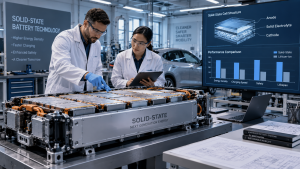
Frequent charging and discharging cycles may affect battery lifespan. Automakers are studying ways to manage energy usage while protecting long-term battery performance.
Utility Regulations
Energy markets and utility rules vary by location. Creating consistent standards for connecting EV batteries to the grid remains an important step.
Organizations like the National Renewable Energy Laboratory continue researching how EVs can support future energy systems.
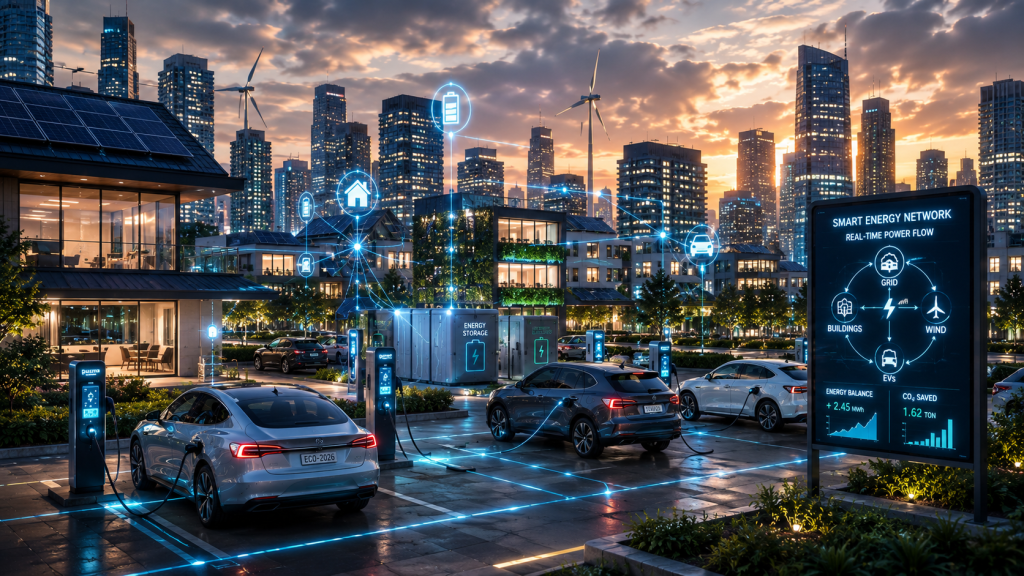
How V2G Connects With the Future of Smart Cars
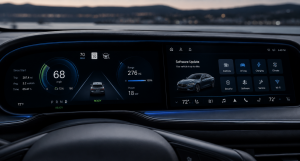
Vehicle-to-grid technology is part of a larger movement toward connected and intelligent vehicles. Modern cars are becoming more than transportation tools. They are evolving into digital platforms connected to homes, cities, and energy networks.
This trend connects with other automotive innovations such as software-defined vehicles and advanced EV systems. You can also explore related topics on C-A-R Blog, including: Software-defined vehicles and connected car technology.
As vehicles become smarter, their role may expand from transportation to energy management and digital services.
The Future of EVs Beyond Transportation
The future of electric vehicles is not only about longer range or faster charging. Technologies like vehicle-to-grid systems show how EVs may become an important part of the global energy transition.
A single EV contains a large battery capable of storing significant energy. When thousands or millions of vehicles are connected, they could create a distributed energy network.
According to the International Energy Agency, electric vehicle growth is closely connected with future energy planning and infrastructure development.
Conclusion
Vehicle-to-grid technology represents a major shift in how people view electric vehicles. Instead of only consuming electricity, future EVs may help store and distribute energy when communities need it most.
As charging infrastructure improves and automakers introduce more compatible vehicles, V2G could become one of the most important developments in the next generation of electric transportation.
Stay updated with C-A-R Blog for more insights into EV technology, connected vehicles, and the future of mobility.